Walking Is a Superpower for Women Over 40 and Most Are Doing It Wrong
I hear this all the time.
"I walk every day, but I'm not seeing results." "I hit my step goal, but I still feel exhausted." "I'm doing everything I'm supposed to do, but my body isn't responding."
If that sounds familiar, it's not because you're doing something wrong. It's because most advice about walking after 40 misses the point entirely.
Here's what I see happening. Women treat walking like just another calorie burn. They push harder, walk faster, and add more steps, thinking that intensity equals results. But after 40, your body responds to walking differently than it did in your 20s and 30s.
Walking isn't just movement for your body now.
It's a signal to your nervous system that you're safe. And when you get that signal right, walking becomes one of the most powerful tools you have for managing the symptoms that start showing up in your 40s.
The weight that won't budge. The energy that feels unpredictable. The stress that seems to hit harder than it used to.
But there's a catch. Most women are walking in a way that actually works against them.
What Changes When You Walk After 40
Your body after 40 doesn't respond to movement the same way it used to.
It's not because you're getting older and things are falling apart. It's because the hormonal shifts happening in your body change how exercise affects your nervous system.
And walking, when done right, works with those changes instead of against them.
Walking Calms Your System When Everything Else Revs It Up
When you walk at a moderate pace, something specific happens in your body.
Your parasympathetic nervous system activates, pulling you out of fight-or-flight mode and into rest-and-digest. This quiets the part of your brain that processes stress and fear. The result? You feel less anxious and less reactive.
Even 10-20 minutes can start to shift your nervous system out of overdrive.
This matters more after 40 because your body is already carrying more stress than it used to. Walking becomes a way to signal safety instead of adding more demand.
It Burns Fat by Lowering the Hormone That Blocks Fat Loss
Here's where walking gets interesting.
Cortisol doesn't just make you feel stressed. It creates a chain reaction that makes weight loss harder. When cortisol goes up, so does blood sugar, which triggers insulin. Both hormones tell your body to store fat, especially around your middle.
Walking at a moderate intensity actually reduces cortisol over time.
This is why walking often works better for weight management than high-intensity workouts that spike stress hormones over and over without giving your body time to recover.
Your body stops feeling like it needs to hold onto every calorie.
Walking Helps Balance Hormones That Are Already Shifting
As estrogen and progesterone start to fluctuate, your body becomes more sensitive to stress and inflammation.
Walking supports healthy hormone metabolism without overwhelming your endocrine system. Research shows that regular aerobic activity can reduce estrogen exposure by nearly 19% and progesterone by almost 24% throughout a full cycle. The biggest changes happen during the second half of your cycle, when symptoms often feel worse.
For women dealing with estrogen dominance or hormone-related symptoms, walking provides hormonal benefits without the harsh side effects of more intense exercise.
Your Blood Sugar Stays Steadier All Day
One of the most immediate benefits you'll notice is how walking affects your energy.
Walking increases insulin sensitivity, so your cells can use glucose more effectively. Your muscles can actually absorb glucose during walking whether insulin is present or not. This effect lasts up to 24 hours after your walk.
Even a five-minute walk after eating helps moderate blood sugar spikes. The sweet spot is 60-90 minutes after meals, when blood sugar changes become less dramatic.
Translation: fewer energy crashes, fewer cravings, and more stable mood throughout the day.
The Difference Between Walking That Helps and Walking That Hurts
The problem isn't that walking doesn't work.
It's that most women are walking in a way that creates more stress instead of reducing it.
And after 40, that makes all the difference.
The Walking Mistakes That Keep You Stuck
Here's what I see happening.
Women know walking is supposed to help. They've read the articles, they understand the benefits, and they're showing up consistently. But they're making execution errors that sabotage their results.
These five mistakes are the difference between walking that supports your hormones and walking that works against them.
Mistake 1: Walking Too Fast (Missing the Zone 2 Sweet Spot)
There's a sweet spot for fat burning and hormonal balance, and most women walk right past it.
Zone 2 cardio sits at 60-70% of your maximum heart rate. This is where your body actually burns fat efficiently while lowering stress hormones. Research shows that walking slower for longer periods led to greater fat loss in postmenopausal women compared to faster walking.
But here's what happens instead. Women get caught in what I call "middle-zone training." It's not easy enough to be restorative and not hard enough to create meaningful adaptation.
You end up in this gray area that stresses your body without giving you the benefits you're looking for.
Mistake 2: Doing Too Much, Too Often
This is where the "more is better" mindset backfires.
A small amount of intense exercise benefits your hormonal axis. But when you do too much too often, that same system stays out of balance. Your body starts producing less of the hormones that help you recover and build muscle.
The signs you're overdoing it include taking longer to recover, feeling persistently fatigued, and noticing that your motivation starts to disappear.
The target that actually works? About 30-40 minutes per day, 4-5 days per week.
Less than you think. More consistent than most women manage.
Mistake 3: Skipping Strength Training Entirely
Walking is powerful, but it won't solve everything.
As estrogen declines, muscle mass decreases. Walking can't prevent this. Only strength training can offset muscle loss by promoting muscle growth.
If your goal is improving bone density and metabolic health, strength training isn't optional. You need both. Walking for your nervous system and hormones, strength training for your muscles and bones.
Aim for 2-4 strength training sessions weekly. It doesn't have to be complicated, but it does need to happen.
Mistake 4: Walking Indoors Only
The treadmill isn't giving you the full benefits.
Outdoor walkers achieved significantly higher heart rates than indoor walkers, even when both groups rated their effort the same. Outdoor walking increased energy levels, while indoor walking showed no change.
There's something about being in nature that reduces stress and improves mood in ways that indoor walking simply can't match.
And no, listening to a nature podcast while on the treadmill doesn't count. I wish it did.
Mistake 5: Treating All Steps the Same
Here's where step counting gets tricky.
Duration matters more than step count. People whose walks lasted about 15 minutes had lower cardiovascular disease risk than those who accumulated the same number of steps through shorter walks throughout the day.
It takes time for your body to shift into the right state for the metabolic and anti-inflammatory effects to kick in.
The problem with tracking steps is that you become volume-focused instead of quality-focused. You're counting instead of feeling what your body needs.
Five thousand intentional steps often work better than ten thousand scattered ones.
What Actually Works for Your Body Now
This doesn't have to be complicated.
When you understand what your body needs after 40, walking becomes a lot more effective. Here's what I recommend to women who want to see real results.
Find Your Zone Where You Can Still Talk
You should be able to speak around 3-5 words at a time before needing to take a breath. If you can sing, you're not quite there yet.
This conversational pace keeps you at 60-70% of your maximum heart rate without needing a monitor. Your breathing patterns and ability to speak directly reflect how your cardiovascular and respiratory systems handle the workload.
Think of it as the pace where you could have a conversation, but you wouldn't want to give a speech.
Walk 30-40 Minutes, 4-5 Days a Week
You don't need to walk every single day.
Aim for 30 minutes of that conversational pace five days a week. For general heart health, 150 minutes of moderate intensity exercise weekly reduces your risk of stroke and heart attacks.
You don't need extreme step goals. A helpful target falls between 7,000-10,000 steps per day. Consistency matters far more than perfection.
And no, you don't have to hit your step goal every day to see benefits.
Add Some Short Bursts (But Not Many)
Once or twice a week, you can add some intensity. But not more than that.
Sprint interval training should not exceed 2-3 times per week. The protocol involves 30 seconds of maximal effort followed by 4 minutes of recovery. This work-to-rest ratio is often set around 1:8. You can apply this protocol when rowing, swimming, cycling, or using an exercise machine.
This might look like walking at your normal pace, then walking as fast as you can for 30 seconds, then slowing back down.
Move More Throughout Your Day
This is where a lot of women miss easy opportunities.
Non-exercise activity thermogenesis burns calories through daily physical movement outside of planned exercise. Having an active lifestyle with intentional movement can burn up to 1,000 calories.
That might look like:
- Pacing while talking on the phone
- Walking down the hall instead of sending an email
- Taking extra trips up the stairs
Step Outside When You Can
Twenty to thirty minutes immersed in a nature setting produces the biggest drop in cortisol levels. After that time, additional stress-reduction benefit accrues more slowly.
You don't need a perfect trail or a beautiful park. Even walking around your neighborhood works better than staying on a treadmill indoors.
Your body responds differently to fresh air, natural light, and changing terrain. And honestly, it usually feels less like exercise and more like a break.
Walking Alone Won't Get You Where You Want to Go
Here's what many women miss.
They think walking is the complete solution. And I understand why. Walking feels sustainable, manageable, and gentle on a body that's already dealing with a lot.
But here's the thing. Walking addresses one piece of the puzzle, but it can't solve everything that starts shifting after 40.
Your body is losing muscle mass. Your bones are becoming less dense. Your metabolism is slowing down in ways that walking alone can't fix.
This doesn't mean walking isn't powerful. It just means it works best when it's part of a bigger picture.
Why Strength Training Isn't Optional Anymore
Let's be honest. Most women avoid strength training because they think it's going to make them bulky or because they don't know where to start.
But after 40, resistance training becomes less about how you look and more about how your body functions.
When estrogen starts to decline, your body loses muscle more easily. This isn't just about appearance. Muscle is what keeps your metabolism running efficiently. It's what protects your bones. It's what helps your body use insulin properly.
Two strength sessions per week can actually halt or reverse muscle loss. That's not a nice-to-have. That's essential for maintaining the energy and strength you want to keep as you age.
And here's what surprises women: resistance training also helps lower cortisol. So while you're building muscle, you're also supporting the same stress response system that walking helps regulate.
What This Looks Like in Practice
You don't need to spend hours in the gym or follow complicated programs.
A practical approach might look like this: two days focused on upper body and two days focused on lower body. Monday and Thursday could target pushing movements, while Tuesday and Friday work pulling muscles. Each session runs about 30-60 minutes.
The key is consistency, not perfection.
Why Walking Between Strength Sessions Actually Helps
This is where things get interesting.
When you do strength training, you deplete the stored energy in your muscles. In that state, your body has to burn fat for fuel.
Walking after lifting helps promote blood flow, which speeds up recovery while keeping you in that fat-burning state.
It's not just recovery. It's strategic.
Light movement following resistance training works better for recovery than just sitting on the couch. Your body gets what it needs to repair while continuing to burn fat more efficiently.
The Combination That Actually Works
Walking signals safety to your nervous system. Strength training preserves the muscle and bone density that keep you strong and metabolically healthy.
Neither one is complete without the other.
When you combine them, you're not just moving more. You're giving your body the specific signals it needs to thrive during this stage of life.
Because your body after 40 doesn't just need movement. It needs the right kind of movement at the right intensity with the right recovery.
Walking Works When You Work With Your Body
Here's what I want you to remember.
Walking isn't just another item on your fitness checklist. It's one of the most powerful signals you can send to your nervous system that it's safe to let go of what it's been holding onto.
When you walk at the right pace for the right amount of time, your body finally has permission to shift out of survival mode and into recovery mode. Your hormones begin to balance. Your stress levels drop. Fat burning becomes possible again.
The magic happens when you stop treating walking like punishment and start treating it like medicine.
30-40 minutes at a conversational pace, 4-5 days a week. Outside when you can. Paired with strength training twice a week.
That's it.
Your body after 40 doesn't need you to walk harder or faster or for more hours. It needs you to walk smarter.
And when you do, something shifts. You stop feeling like you're fighting your body every step of the way. You start feeling like you're finally working together.
Because you are.
Key Takeaways
Walking becomes a hormonal superpower for women over 40 when done correctly, but most women make critical mistakes that sabotage their results. Here are the essential insights for maximizing walking's benefits during perimenopause:
• Walk in Zone 2 (conversational pace) for 30-40 minutes, 4-5 days weekly - this activates fat burning while lowering cortisol without stressing your system
• Avoid walking too fast or too often - middle-zone training creates stress without meaningful adaptation, while overtraining disrupts your hormonal axis
• Combine walking with strength training 2-3 times weekly - walking alone won't prevent muscle loss or bone density decline that occurs after 40
• Choose outdoor walks when possible - nature exposure significantly reduces cortisol levels and increases energy more than indoor walking
• Focus on duration over step count - 15-minute continuous walks provide better cardiovascular benefits than accumulating steps through shorter bursts
Walking works as a signal to your nervous system that you're safe, shifting you into rest-and-digest mode while supporting estrogen balance and insulin sensitivity. The key is treating it as recovery-based movement, not another high-intensity workout.
*AI Disclosure:
This content may contain sections generated with AI with the purpose of providing you with condensed helpful and relevant content, however all personal opinions are 100% human made as well as the blog post structure, outline and key takeaways.
* Affiliate Disclosure: Some of the links on www.elle-md.com may contain affiliate links meaning that we will get a commission for recommending products at no extra cost to you.
*Blog Disclaimer: Please note that reading our blog does not replace any health or medical advice consultation. Read our blog disclaimer here.
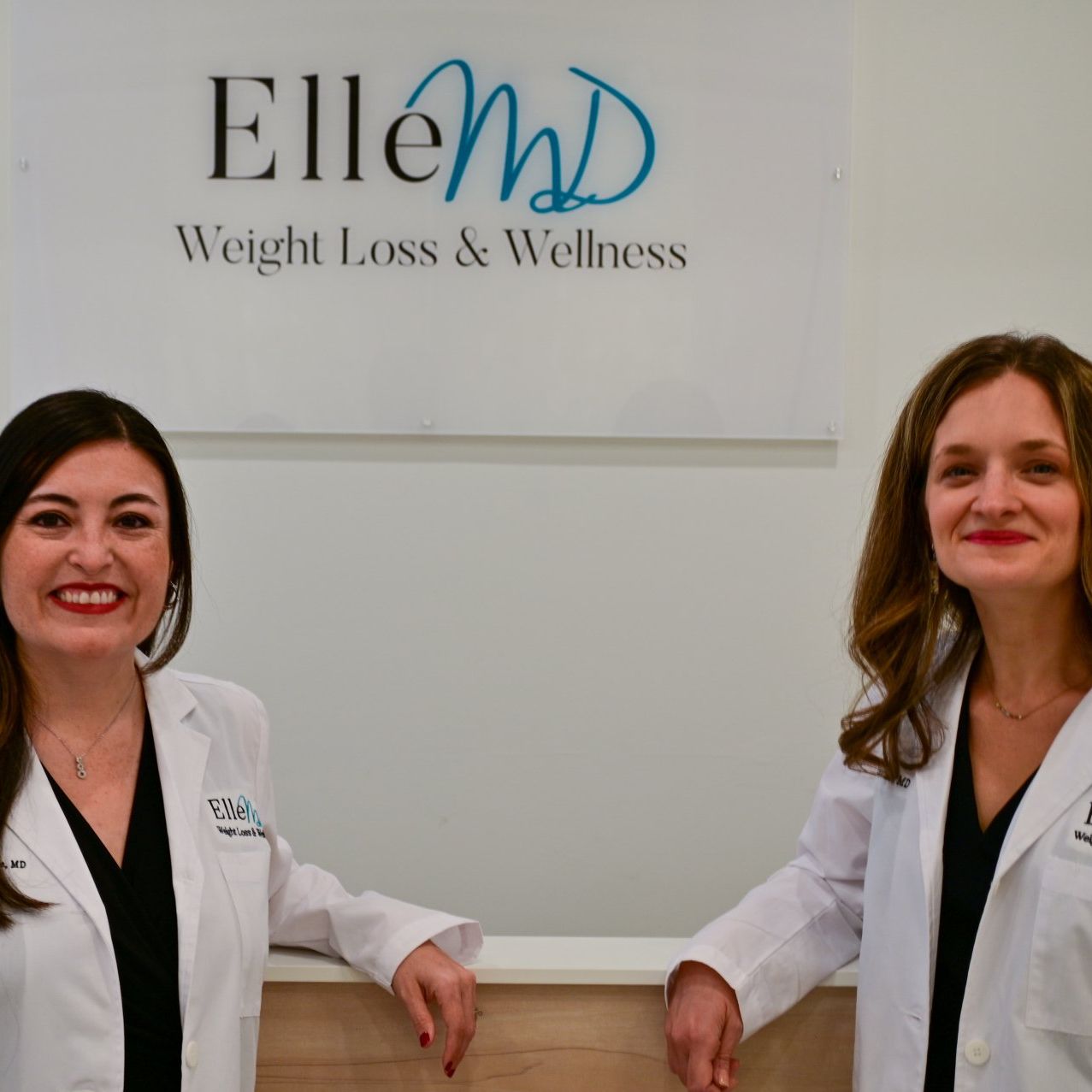
Meet the Drs.
Dr. Hendriks and Dr. Castillo MacKenzie are board-certified physicians, female, specialized, with over 10 years of experience.
Elle MD started after practicing in a traditional primary care setting together for over a decade. We grew frustrated with the current healthcare model, which places no emphasis on addressing the root cause of chronic disease. A lot of times, conventional care doesn’t even promote overall wellness!
We founded Elle MD in Royal Oak, MI, with a vision of providing this care in a compassionate and personalized way.
Download your free guide