Soy Is Complicated and Every Hormonal Woman Deserves a Straight Answer
I hear this question constantly: "Does soy mess with my hormones?"
And honestly, I don't blame anyone for being confused. If you've tried to research this on your own, you've probably found studies that seem to contradict each other, articles that give completely different advice, and enough conflicting information to make your head spin.
One source tells you soy is dangerous for your hormones. Another says it's protective. Some studies suggest it helps with menopause symptoms. Others warn it might increase cancer risk.
If that sounds familiar, you're not imagining the confusion.
Here's what makes this so complicated. Whether soy affects your body depends on your life stage, how much you're eating, what form you're eating it in, and even your individual biology.
The question "does soy increase estrogen" assumes that plant compounds work the same way as human hormones. They don't.
And that's where most of the confusion starts.
Let's clear this up.
Why Soy Research Seems So Contradictory
Animal Studies Don't Translate to Human Bodies
Here's the first problem with soy research. Most of the scary headlines you've seen come from studies done on mice.
And mice process soy compounds completely differently than humans do.
When humans eat soy, our bodies efficiently package and clear the active compounds. We keep the biologically active forms at less than 1% in our system most of the time, and under 2% even at peak levels.
Mice? They maintain levels between 11% and 30%, depending on the strain. That's 20 to 150 times higher than what circulates in human bodies.
So when you see a study showing that soy stimulated tumor growth in mice, you're looking at effects that happen at concentrations impossible to achieve through diet. It's like studying the effects of drinking 50 cups of coffee and then warning people about their morning latte.
What Kind of Soy You're Eating Matters
This is where things get even more confusing.
A bowl of edamame is not the same as a soy protein shake. Fermented tempeh is not the same as a soy isoflavone supplement. Traditional tofu is not the same as isolated soy protein powder.
Each form delivers different compounds to your body in different amounts.
But here's the thing most research studies use supplements or isolated protein powders, not the whole foods that people actually eat. So when you read that "soy" had certain effects, you may not be getting information that applies to the soy you're actually considering.
Your Hormone Status Changes Everything
I see this pattern constantly. Women read conflicting advice because they're not factoring in where they are hormonally.
If you're premenopausal, soy acts one way in your body. If you're postmenopausal, it acts differently. If you're in perimenopause, you're somewhere in between.
In premenopausal women, soy actually reduces certain reproductive hormones by about 20%. These women don't see increased estrogen from soy at all.
Postmenopausal women show a different pattern. Some studies suggest a small increase in total estradiol, but it's usually not statistically significant.
Your existing hormone levels determine how these plant compounds behave once they're in your system.
Your Gut Bacteria Determine Your Response
This is the part that explains why some women swear by soy for menopause symptoms while others notice zero difference.
Only about 20% to 35% of Western women have the specific gut bacteria needed to produce something called equol. This is a metabolite that your bacteria create when they break down certain soy compounds.
Asian populations have higher rates, around 50% to 60%, which may explain some of the cultural differences in soy research.
If you're an equol producer, you're likely to see stronger effects from soy on things like bone density, heart health markers, and menopause symptoms. If you're not, soy may act very differently in your body.
This biological variation isn't something you can control, and it's not something most studies account for.
But it explains a lot about why soy research seems so inconsistent.
How Soy Actually Works in Your Body
Here's where things get interesting.
When you eat soy, you're not consuming human estrogen. You're consuming plant compounds called phytoestrogens. And despite what the name suggests, they don't work the same way as the estrogen your body makes.
Think of it like this: phytoestrogens and human estrogen might look similar on paper, but they function completely differently in your body.
Soy contains specific compounds called isoflavones. These originally evolved as the plant's defense system against fungi and bacteria in soil. When you eat them, they don't turn into human estrogen. Instead, they can bind to some of the same cellular receptors as estrogen, but they trigger different responses.
It's a bit like having two different keys that fit the same lock, but open completely different doors.
Why Your Body Has Two Types of Estrogen Receptors
Your cells have two main estrogen receptors: ERα and ERβ.
ERα is more concentrated in breast and uterine tissue. ERβ is found primarily in cardiovascular and bone tissue. Your own estrogen binds to both equally.
But here's where soy isoflavones get interesting. Genistein, the main compound in soy, prefers ERβ by a ratio of 7 to 48 times more than ERα.
This selective binding matters because these two receptors often trigger opposite effects in your cells. When isoflavones bind to ERβ, they can actually block some of the effects of your natural estrogen in certain tissues. This is why compounds that target ERβ specifically are being studied as potential anti-cancer agents.
Soy Doesn't Increase Your Estrogen Levels
This is probably the most important point to understand.
Isoflavones don't raise the amount of estrogen circulating in your blood. Instead, they change how your body processes the estrogen you already have.
They can increase a protein called sex hormone-binding globulin, which binds to circulating hormones and affects how much is available to your tissues. They can also slightly reduce the formation of certain types of estrogen by inhibiting specific enzymes.
So when someone asks "does soy increase estrogen," the answer is no. It modulates how estrogen behaves in your body, but it doesn't add more of it.
The Metabolism Shift That Matters
Here's where soy's protective effects become clearer.
Long-term soy consumption shifts how your body breaks down estrogen. Instead of producing potentially harmful metabolites, your body starts producing more of the inactive, safer ones.
This metabolic shift—not an increase in total estrogen—explains many of the protective effects that researchers attribute to soy.
It's like your body learning to process the same raw materials more efficiently, producing less waste and more useful end products.
Soy's Effects Across Different Life Stages
Here's where it gets interesting. Your age and hormone status completely change how soy affects your body.
I see this confusion all the time. Women read one study about soy and assume it applies to them, without realizing that a study on postmenopausal women might not be relevant if you're still having regular cycles.
Let's break this down.
If You're Still Having Regular Periods
Your body responds to soy differently than you might expect.
When researchers looked at 47 studies on premenopausal women, they found something surprising. Soy didn't actually increase estrogen levels. Instead, it reduced other reproductive hormones - FSH and LH - by about 20%.
What does this mean for you? Menstrual cycles may become slightly longer, by about a day on average. Some women notice their cycles feel more regular or that PMS symptoms are less intense.
But you're not getting more estrogen from soy. Your body is just handling its existing hormones differently.
For Women Going Through Menopause
This is where the hot flash conversation gets complicated.
Some studies show significant improvement. Others show minimal change. One Italian study found a 45% reduction in hot flashes with soy protein. Another recent study showed women eating half a cup of whole soybeans daily experienced an 80% drop in hot flashes.
So why such different results?
It comes down to your gut bacteria. Only about 20% to 30% of Western women can produce equol, a compound your gut bacteria makes from soy. If you're an equol producer, you're much more likely to notice improvements in hot flashes, sweating, and other menopausal symptoms.
Asian women produce equol at much higher rates - 50% to 60%. This may explain why soy foods have traditionally been more beneficial in Asian populations.
After Menopause
Here's what surprised me when I first looked at this research.
Even at relatively high doses - around 75mg of soy isoflavones daily - postmenopausal women don't see significant changes in estrogen levels, uterine lining thickness, or other hormone markers. There was a small increase in total estradiol, about 14%, but it wasn't statistically significant.
Your body is handling soy, but it's not flooding your system with estrogen the way some women fear.
Why Timing Matters More Than You Think
This part is fascinating. When you start eating soy may matter more than how much you eat as an adult.
Women who ate the most soy during childhood had a 58% lower risk of breast cancer later in life compared to women who ate the least. Even starting in adolescence showed about a 25% reduction in risk.
Early exposure seems to program your body to respond to estrogen differently throughout your life.
The Fertility Question
I get asked about this regularly, especially by women trying to conceive.
The research is actually reassuring. Studies on women undergoing fertility treatments suggest soy intake may actually improve outcomes. Research on primates found that soy didn't disrupt menstrual cycles or hormone levels.
Some women with high soy intake show slightly lower AMH levels, but their antral follicle count and FSH remain normal. This suggests soy isn't harming fertility in any meaningful way.
If you're trying to get pregnant and enjoy soy foods, there's no evidence you need to avoid them.
What This Means for You
Your response to soy isn't just about soy. It's about your age, your gut bacteria, your hormone levels, and even what you ate growing up.
This is why blanket statements about soy being "good" or "bad" miss the point entirely. It depends on who you are and where you are in life.
Let's Clear Up the Soy Myths That Keep Circulating
The Breast Cancer Fear Needs to Stop
Here's the truth about soy and breast cancer: moderate consumption does not increase your risk.
The studies that scared everyone were done in lab dishes using doses that would be impossible to achieve through food. We're talking about concentrations so high that you'd have to eat pounds of tofu daily to even come close.
And here's what's actually happening in real women. Breast cancer survivors who eat soy foods have a 25% lower risk of recurrence compared to those who avoid it. That's not insignificant.
If you're eating at least 10mg of isoflavones daily after a breast cancer diagnosis—roughly what you'd get from a serving of tofu—you're actually protecting yourself, not harming yourself.
The caveat? Stick to food. Soy supplements don't have the same safety data and aren't recommended.
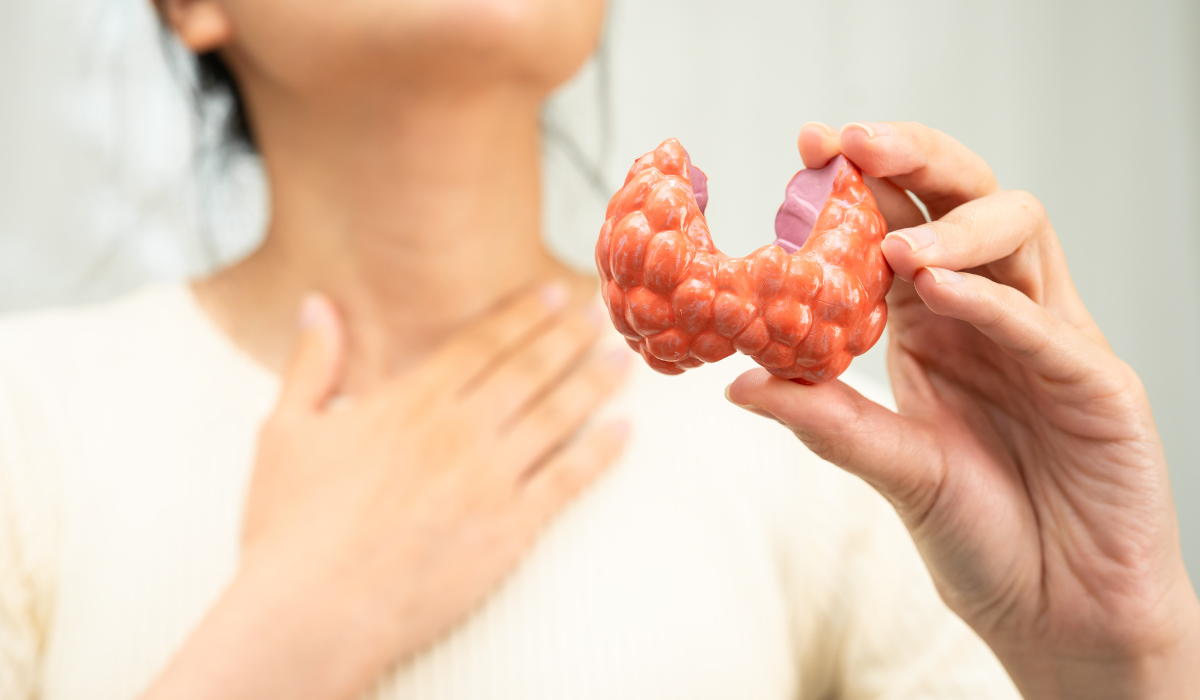
Your Thyroid Can Handle Soy
Another myth that won't die: soy destroys your thyroid.
Studies in healthy people show that soy has either no effect on thyroid hormones or causes very modest changes in TSH levels.
Across 14 different trials, researchers found basically nothing to worry about.
The exception is if you already have thyroid issues. People with subclinical hypothyroidism taking high-dose soy supplements may be at higher risk of developing full hypothyroidism, especially women.
If you take thyroid medication, just time it right. Take your medication at least three hours before or one hour after eating soy.
Soy Actually Supports Heart Health
Women who eat at least one serving of tofu weekly have an 18% lower risk of heart disease.
This benefit is strongest in premenopausal women and postmenopausal women who aren't taking hormone replacement.
Soy Doesn't Increase Estrogen—It Regulates It
This is the key distinction that gets lost in all the noise.
Soy doesn't belong in the category of foods that pump up your estrogen levels. Instead, it modulates how your existing estrogen works in your body.
It's not adding fuel to the fire. It's helping your body manage the fire more efficiently.
How Much Is Safe (and What Form Works Best)
One to two servings a day is considered moderate consumption.
A serving gives you about 7 grams of protein and 25mg of isoflavones. That could be a quarter cup of tofu, a half cup of soy milk, or a handful of edamame.
Whole soy foods like tofu, tempeh, and edamame work better than processed isolates. Your body recognizes real food more easily than extracted compounds.
And honestly, it tastes better too.
Here's What You Actually Need to Know
The confusion around soy isn't your fault.
For decades, we've been asking the wrong question. Instead of "does soy increase estrogen," the real question is: "how does soy work with the hormones you already have?"
And the answer is simple. Soy doesn't pump more estrogen into your system. It helps your body use what it has more intelligently.
Whether you notice benefits depends on your life stage and your individual biology. Some women see significant relief from menopausal symptoms. Others notice minimal changes. Both responses are normal.
What This Means for Your Daily Life
One to two servings of whole soy foods daily are safe for most women.
That might look like tofu in a stir-fry, a cup of edamame as a snack, or tempeh in a salad. Stick to whole foods rather than isolated supplements, and you're likely to get the benefits without the worry.
And no, you don't need to become an expert in phytoestrogens or memorize studies to make good choices.
You just need to know that soy works differently than you've been told.
The Real Bottom Line
Your body is smart. It knows how to handle the compounds in whole foods like soy.
The fear around soy often comes from misunderstanding how plant compounds work in the human body. When you understand the mechanism, the confusion clears up.
Because the truth is usually simpler than the controversy suggests.
Key Takeaways
Understanding soy's complex relationship with hormones can help women make informed dietary decisions based on science rather than myths.
• Soy doesn't increase estrogen levels but acts as a selective estrogen receptor modulator, blocking harmful effects while providing benefits in different tissues.
• Your life stage determines soy's effects: premenopausal women see reduced FSH/LH levels, while postmenopausal women may experience modest hot flash relief.
• Only 20-35% of Western women produce equol, the beneficial soy metabolite, explaining why some experience stronger menopausal symptom relief than others.
• Moderate soy consumption (1-2 servings daily of whole foods like tofu or tempeh) is safe and may reduce breast cancer recurrence risk by 25%.
• Choose whole soy foods over supplements, and take thyroid medication 3+ hours away from soy consumption if you have hypothyroidism.
The key is understanding that soy modulates rather than mimics human estrogen, making it fundamentally different from foods that directly increase hormone levels. This distinction explains why decades of research have produced seemingly contradictory results.
*AI Disclosure:
This content may contain sections generated with AI with the purpose of providing you with condensed helpful and relevant content, however all personal opinions are 100% human made as well as the blog post structure, outline and key takeaways.
* Affiliate Disclosure: Some of the links on www.elle-md.com may contain affiliate links meaning that we will get a commission for recommending products at no extra cost to you.
*Blog Disclaimer: Please note that reading our blog does not replace any health or medical advice consultation. Read our blog disclaimer here.
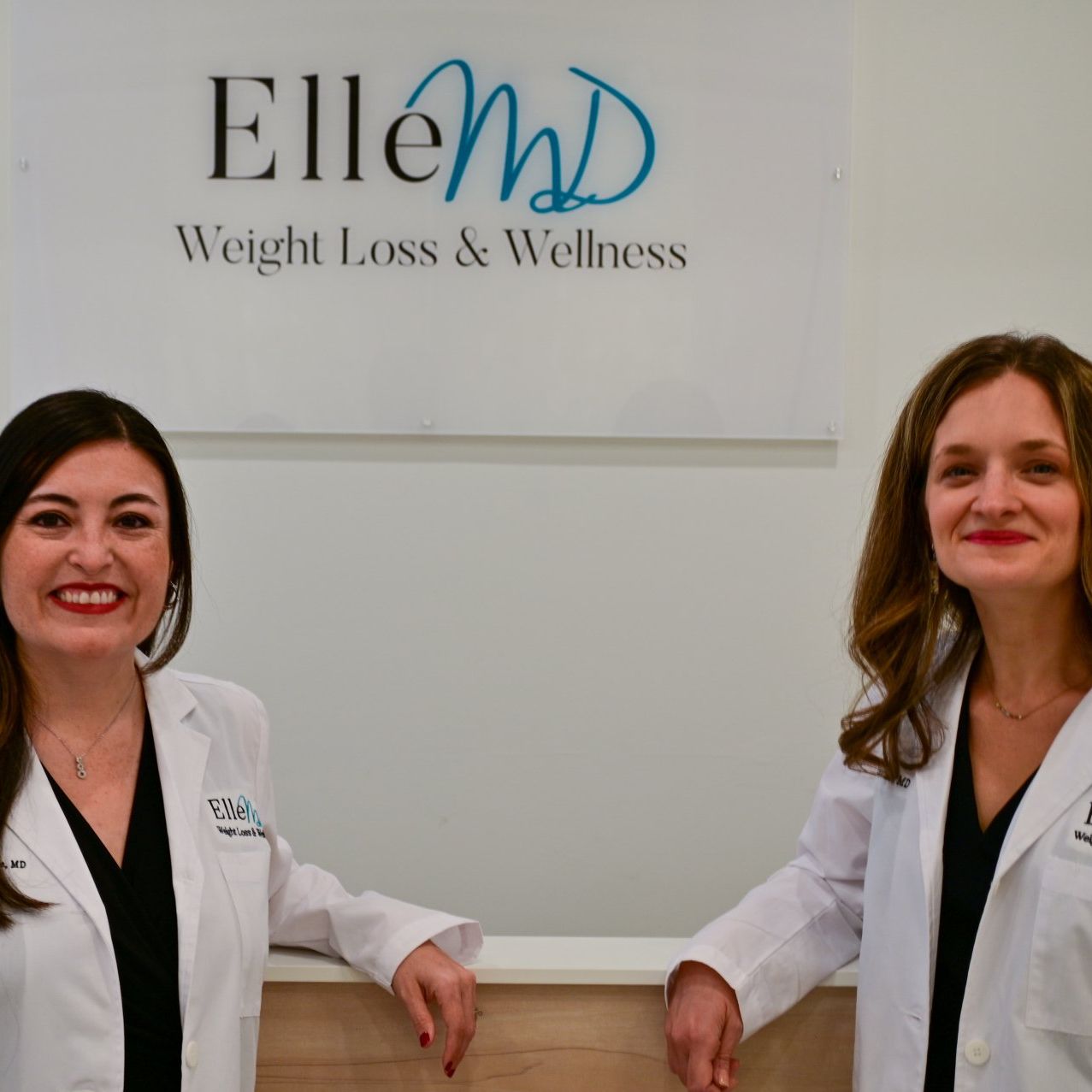
Meet the Drs.
Dr. Hendriks and Dr. Castillo MacKenzie are board-certified physicians, female, specialized, with over 10 years of experience.
Elle MD started after practicing in a traditional primary care setting together for over a decade. We grew frustrated with the current healthcare model, which places no emphasis on addressing the root cause of chronic disease. A lot of times, conventional care doesn’t even promote overall wellness!
We founded Elle MD in Royal Oak, MI, with a vision of providing this care in a compassionate and personalized way.
Download your free guide